Understanding the Allure of Vintage Background
When selecting a typeface for a project, the goal is often to find a voice that feels both distinctive and authentic. You want something that captures attention without shouting, and communicates emotion without relying on cliché. This is where Vintage Background enters the conversation. It is not merely a collection of letters; it is a carefully crafted tool designed to bring a specific, graceful energy to your creative work. As a premium font, it offers a blend of personality and function that many designers and entrepreneurs find invaluable.
Anatomy of a Graceful Handwritten Script
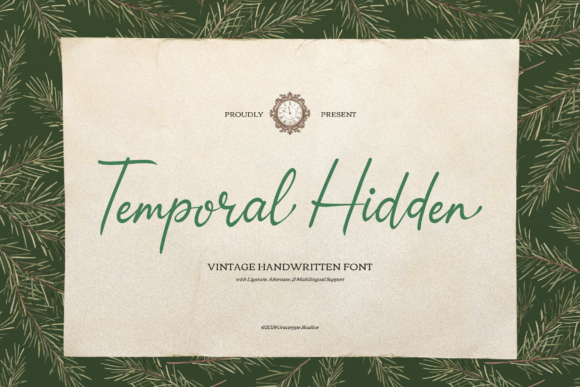
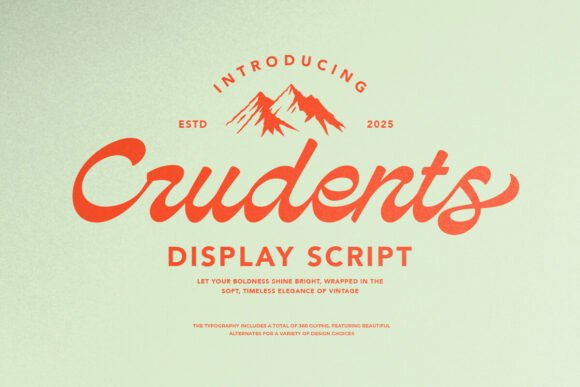
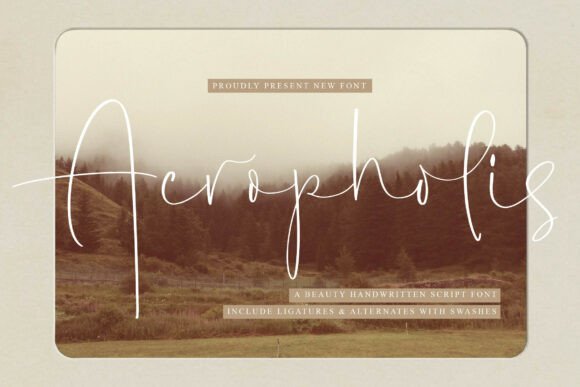
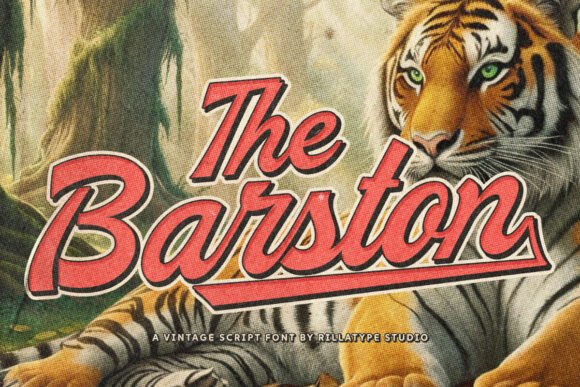
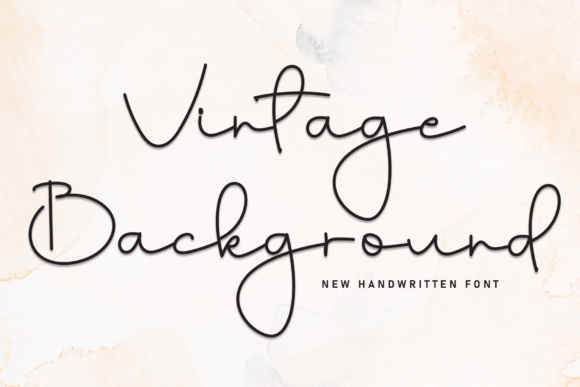
At its core, Vintage Background is a handwritten script font, but its execution sets it apart. The visual personality is defined by several key characteristics. First, notice the long, dancing ascenders—the parts of letters like 'b,' 'd,' and 'h' that rise above the main body. These aren't stiff or rigid; they have a gentle sway that injects movement and life into every word. Paired with this are the roomy loops, particularly in letters like 'e,' 'l,' and 'g.' These open forms are crucial for legibility, preventing the text from feeling cramped or overly ornate, which can be a common pitfall in script fonts.
The overall flow is what I'd describe as a calm monoline. Unlike heavily contrasted calligraphy scripts where thick and thin strokes vary dramatically, Vintage Background maintains a more consistent stroke width. This gives it a relaxed, effortless rhythm. The effect is text that feels airy and approachable, yet undeniably refined. The sweeping swashes on certain letters add a final touch of romance and elegance, but they are used judiciously so they enhance rather than overwhelm. This balance is what makes it a versatile display font suitable for more than just decorative accents.
Where This Typeface Truly Shines: Practical Applications
Knowing a font's visual style is one thing; understanding where to apply it is where strategy comes in. Vintage Background excels in contexts where warmth, elegance, and a personal touch are desired. Its personality makes it a natural fit for specific projects.
- Brand Identity & Logo Design: For boutique brands, artisan products, or lifestyle businesses, this font can become a cornerstone of the brand identity. A logo set in Vintage Background immediately communicates craftsmanship, care, and a timeless quality. It works beautifully for logos on packaging, business cards, and website headers.
- Wedding & Event Suites: The romantic, graceful nature of the font is ideal for wedding suites—invitations, programs, menus, and thank you cards. Its legibility at various sizes ensures that essential information remains clear, while its style sets a sophisticated and heartfelt tone.
- Packaging Design & Labels: In packaging design, especially for cosmetics, specialty foods, or handmade goods, Vintage Background adds a layer of perceived value and artisanship. It can be used for product names or key descriptors to draw the eye on a crowded shelf.
- Social Media & Digital Content: For social media graphics, quotes, or promotional banners, the font stands out in a feed. Its clear personality helps in creating consistent, recognizable content for bloggers, influencers, and marketers looking to build a cohesive visual aesthetic.
- Editorial & Publishing: In editorial design, consider using it for pull quotes, chapter titles, or section headers in magazines, books, or digital publications. It adds a human, artistic element that contrasts well with body text set in a serif font or sans serif font.
Making It Work: Pairing, Readability, and Professional Use
Simply choosing a beautiful creative font is only the first step. Integrating it effectively into a design system requires thoughtful execution. The key to using Vintage Background successfully lies in contrast and hierarchy.
A fundamental principle in modern typography is pairing. Because Vintage Background is a script font with strong character, it pairs best with cleaner, more neutral typefaces. Try combining it with a geometric sans serif font for headlines or body text. This creates a clear visual hierarchy where the script draws attention for key elements, and the sans serif provides easy readability for longer passages. Avoid pairing it with other highly decorative fonts, as this can create visual competition and confusion.
Readability is another critical consideration. While its open letterforms help, Vintage Background is best used at larger sizes. It's a display font by nature, meaning it's optimized for headlines, logos, and short phrases rather than dense paragraphs of body copy. Test it at the size you intend to use it in your final design—what looks elegant at 36pt may become challenging to read at 12pt in a product description.
From a practical standpoint, this is a commercial font, so ensuring you have the correct license for your project is non-negotiable. Whether it's for a client's logo design, your own product packaging, or digital assets, verify the terms. A significant advantage of Vintage Background is its encoded PUA (Private Use Area) characters. This means all the stylistic alternates and swashes are accessible directly from your keyboard or character map without requiring advanced design software like Adobe Illustrator's Glyphs panel. This makes it exceptionally user-friendly for entrepreneurs and content creators who may not be seasoned typographers.
Ultimately, selecting a typeface like Vintage Background is about choosing a voice for your project. Its strength lies in its ability to convey warmth, elegance, and a handmade sensibility with clarity and style. By understanding its personality, applying it in the right contexts, and pairing it thoughtfully, you can leverage this design asset to create work that feels both timeless and distinctly personal.