Quiteplace: The Stylish Script for Modern Design
When you're working on a project that needs a touch of human elegance without feeling stuffy or old-fashioned, finding the right typeface can be a challenge. You want personality, but not chaos. You want style, but still need legibility. This is where Quiteplace comes in. It’s a stylish script font that walks the line beautifully, offering the fluid grace of hand-drawn calligraphy with a clean, contemporary sensibility. Think of it as the sophisticated friend who’s effortlessly put-together—polished but with real character.
Understanding the Font's Character
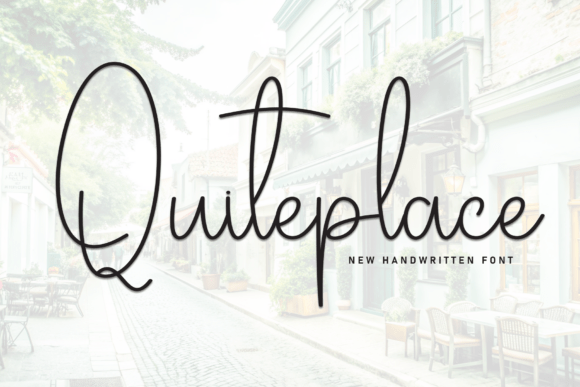
At its heart, Quiteplace is a display font designed for impact and personality. Its visual characteristics are defined by fluid, confident strokes and graceful, connected curves. The letterforms are carefully balanced, which is key. Unlike some script fonts that can feel overly casual or difficult to read at smaller sizes, Quiteplace maintains a sense of structure. This balance is what gives it a dual personality: it feels both personal and professional. It’s a modern typography choice that captures the warmth of a handwritten font while delivering the reliability of a polished typeface. The overall appeal is one of refined energy—it’s dynamic without being distracting.
Where Quiteplace Truly Shines
The versatility of Quiteplace is one of its greatest strengths. It’s not a one-trick pony; it’s a valuable design asset that can elevate a wide range of projects. Here’s where it works best:
- Logo Design & Brand Identity: For brands that want to convey creativity, approachability, and a touch of luxury, Quiteplace is a fantastic choice. It’s perfect for boutique businesses, lifestyle blogs, artisanal product lines, or creative agencies. Using it in a logo immediately sets a tone that is stylish and human-centric.
- Invitations & Event Stationery: From wedding invitations to gala dinner menus, this font brings an inherent elegance. Its fluid strokes mimic the work of a skilled calligrapher, making any piece feel bespoke and special.
- Packaging Design: On shelves crowded with generic sans serif fonts and stark serif fonts, Quiteplace can make a product stand out. It’s ideal for cosmetics, gourmet foods, boutique spirits, or any product where the packaging itself is part of the brand story.
- Editorial & Publishing: Use it for chapter headings, pull quotes, or title pages in magazines, cookbooks, or coffee table books. It adds a layer of visual interest and breaks up the monotony of body text, creating a stronger visual hierarchy.
- Digital & Social Media Graphics: In the fast-scrolling world of social media, Quiteplace can stop the thumbs. It’s excellent for Instagram quote graphics, Pinterest pins, YouTube thumbnails, and website hero sections. It injects personality into digital spaces, boosting audience engagement.
- Marketing Collateral: From business cards to brochure headers, using Quiteplace on marketing materials helps with brand recognition. It ensures your materials are memorable and feel cohesive with your overall brand identity.
The Practical Side: Choosing and Using Quiteplace
Knowing a font is pretty is one thing; knowing how to use it effectively is another. Here’s some practical guidance for integrating Quiteplace into your workflow.
Evaluating the Fit for Your Project
Before you commit, consider the project’s context and audience. Quiteplace is a creative font, so it’s best suited for projects where personality and aesthetic appeal are priorities. For a corporate law firm’s website, it might be too casual. But for a yoga studio, a freelance photographer, or a new bakery? It’s a perfect match. Always ask: does this font’s personality align with the message I want to send?
Mastering Font Pairings
A script font like Quiteplace rarely works well alone for large blocks of text. Its real power is unlocked through smart font pairing. The goal is contrast and balance. Pair it with a clean, neutral sans serif font for body text. The sans serif provides clarity and readability, while Quiteplace handles the headlines and accents. For a more classic feel, you could pair it with a simple, sturdy serif font. Always test your pairings at the actual sizes they’ll be used to ensure they complement each other without competing.
Readability and Hierarchy Considerations
Use Quiteplace strategically to build visual hierarchy. It’s a premium font meant for emphasis, not for entire paragraphs. Use it for your H1 or H2 headings, logo text, or a key phrase in a call-to-action. For body copy, always opt for a highly legible typeface. This contrast not only improves readability but also guides the reader’s eye exactly where you want it to go, making your layout more effective.
Licensing and Font Files
When you acquire Quiteplace, review the licensing details. As a commercial font, it will come with a license that specifies its permitted uses—whether for a single project, multiple projects, or for client work. Ensure the license covers your intended applications, especially if you plan to use it in digital products for sale or on merchandise. Also, check what’s included: does the font family have multiple weights or styles? Understanding these details ensures you’re using the asset correctly and getting the full value from your investment.
In the end, Quiteplace is more than just another script font. It’s a versatile tool for designers, marketers, and creators who understand that typography is a key player in communication. By choosing it for the right projects, pairing it wisely, and using it with intention, you can leverage its elegant, modern charm to create work that feels both sophisticated and genuinely human. It’s a typeface that doesn’t just look good—it helps you connect.