Diamond: A Stylish Script Font for Modern Designs
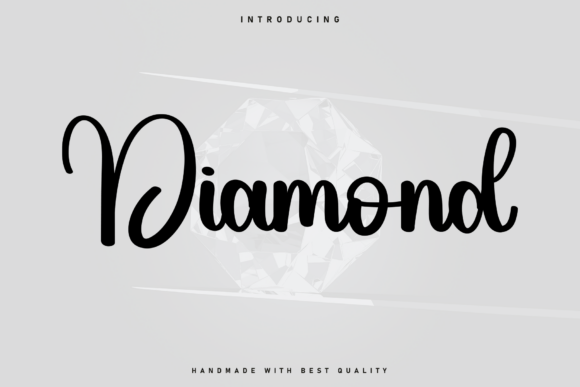
When you're looking for a typeface that feels both personal and polished, a script font is often the first place you turn. But not all scripts are created equal. Some feel too casual, others too formal, and many lack the versatility needed for today's multi-platform projects. This is where a font like Diamond enters the conversation. It’s a premium font that captures the essence of elegant hand lettering while maintaining a clean, contemporary edge. The graceful strokes and smooth curves aren't just decorative; they’re designed to create a specific mood—one of sophistication, warmth, and approachable luxury.
The true character of Diamond lies in its balance. It doesn’t try to mimic old-world calligraphy with heavy flourishes. Instead, it offers a natural flow that feels intentional and modern. Each letterform is carefully crafted, resulting in a script font that is highly legible even at smaller sizes. This makes it a practical creative font for more than just headlines. Its personality is confident yet inviting, making it an excellent choice for projects where you want to convey trust and style simultaneously.
Where This Script Font Truly Shines
Understanding a font's strengths is key to using it effectively. Diamond isn't a one-size-fits-all solution, but for the right projects, it delivers exceptional results. Its versatility makes it a valuable asset in any designer's toolkit.
Branding and Identity: For logo design, Diamond offers a distinct advantage. It can instantly give a brand a high-end, boutique feel. Think of a cosmetics company, a wedding photographer, or a specialty bakery—the font’s elegant script helps establish a brand identity that feels personal and premium. It works beautifully for logotypes and can be paired with a simple sans serif font for body text to create a strong visual hierarchy.
Marketing and Social Media: In the fast-scrolling world of social media graphics, first impressions are everything. Diamond’s polished details help graphics stand out. It’s perfect for quote cards, promotional banners, and Instagram story headers. Because it’s a display font, it’s meant to be seen, not to set paragraphs. Use it for key phrases or call-to-action text where you want to capture attention and drive audience engagement.
Publishing and Editorial Design: Magazines, book covers, and blog headers often rely on a mix of typefaces to create visual interest. Diamond serves as a stunning accent font. It can elevate a chapter title, a pull quote, or a feature headline, adding a touch of artistry to editorial design without overwhelming the reader. Its clarity ensures it remains functional even in more complex layouts.
Packaging and Product Design: On a shelf, packaging tells a story before the product is even touched. A creative font like Diamond can communicate quality and care. Imagine it on a candle label, a artisanal chocolate box, or a cosmetic product. It adds a layer of sophistication that can influence brand perception and make a product feel more luxurious.
Practical Guidance for Using Diamond Effectively
Choosing the right font is only half the battle; using it well is what makes the difference. Here’s how to approach integrating Diamond into your work.
Evaluate the Project Fit: Before you commit, ask yourself: does this project call for a personal, elegant touch? Diamond is ideal for invitations, thank you cards, branding for service-based businesses, and any design where a human, crafted feel is desired. It might not be the best choice for a technical manual or a data-heavy report, where a clean serif font or sans serif font would be more appropriate.
Master Font Pairing: A script font like Diamond rarely works alone. The secret to professional typography is pairing. Diamond pairs exceptionally well with geometric sans serifs (like Montserrat or Poppins) for a modern contrast, or with a classic serif (like Playfair Display) for a more traditional, luxurious look. The key is to let Diamond be the star of the show—use it for headlines and key elements, and let its partner handle the longer, readable text.
Consider Readability and Hierarchy: Always test your designs at the actual size they will be used. While Diamond is legible, long sentences in a script font can be taxing on the eyes. Use it sparingly for maximum impact. In web design, this means limiting it to hero section headings or special highlights, not for navigation or paragraph text. This practice not only improves readability but also strengthens your visual hierarchy, guiding the viewer’s eye to what matters most.
Review the Full Package: A quality commercial font like Diamond often includes more than just the basic alphabet. Look for stylistic alternates, swashes, and ligatures. These extra characters allow for more customized and fluid lettering, helping you avoid repetitive letter shapes and achieve a more authentic, handwritten look. This is where a premium font truly pays for itself.
Understand the License: If you’re using this for commercial projects—as most designers, entrepreneurs, and marketers will—ensure you have the correct license. Most design assets come with clear licensing terms that specify use in logos, products, and digital ads. Respecting the license not only keeps you legal but also supports the type designers who create these tools.
In the end, a font like Diamond is more than just a set of letters. It’s a strategic tool. It can help you build consistency across your brand identity, add professionalism to your deliverables, and create a memorable point of recognition. By understanding its personality and applying it thoughtfully, you can leverage its elegant, modern appeal to connect with your audience and elevate your creative work. Whether you're designing a logo for a new client, crafting a social media campaign, or laying out a beautiful invitation, Diamond provides that refined, sophisticated look that’s hard to achieve with more common typefaces.