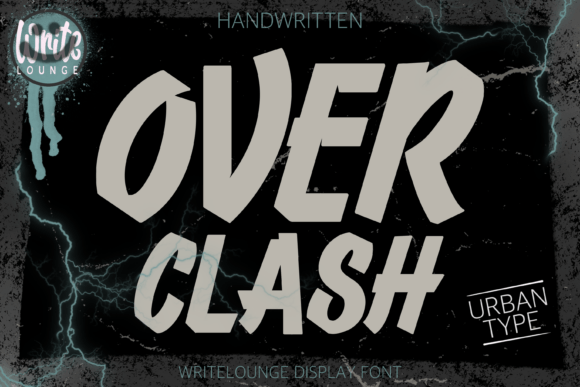
Overclash: Capturing Raw Energy in Your Designs
In the world of design, there are moments when polite, perfectly kerned sans-serifs just won’t cut it. You encounter projects that demand a heartbeat, a pulse, or a bit of controlled chaos. This is exactly where Overclash enters the conversation. It isn’t just another typeface; it is a dynamic, hand-drawn brush script font that channels the rebellious spirit of urban street art and the fluidity of expressive calligraphy. If you have ever looked at a blank canvas and felt the need to add something with grit, texture, and attitude, this font is worth your attention.
As a designer or creative professional, choosing the right typography is less about finding "pretty letters" and more about finding a voice. Overclash speaks with a voice that is loud, untamed, and visually striking. It mimics the look of ink splatters and spray paint, offering a raw aesthetic that digital precision often lacks. When you select a premium font like this, you are investing in a tool that can instantly bridge the gap between a flat design and a visceral emotional experience.
The Anatomy of Untamed Style
Understanding what makes Overclash tick helps you use it effectively. Visually, it sits in a specific niche of handwritten font styles. It doesn't try to look like neat cursive; instead, it embraces the imperfections of a heavy brush stroke. You will notice the varying line weights—thick downstrokes contrasted with sharp, whipping upstrokes—that create a natural rhythm. This movement is crucial for brand identity, as it suggests action, speed, and momentum.
The personality of Overclash is undeniably bold. It carries a "wild aesthetic" that works incredibly well for headlines that need to stop a viewer mid-scroll. However, because it is so expressive, it requires a confident hand to wield. It is the typographic equivalent of a lead guitarist in a rock band—essential for the hook, but perhaps too loud for the background vocals. When used as a display font, it anchors the design, giving the eye a clear starting point and establishing the mood immediately.
Practical Applications: Where Overclash Shines
The utility of a font like Overclash spans a surprising variety of mediums. It is a versatile creative font that adapts to different contexts, provided you respect its intensity.
- Logo Design and Branding: For brands targeting a younger demographic (ages 20–35) or those in the lifestyle, sports, or music sectors, Overclash creates an immediate connection. It works exceptionally well for logos that need to feel handmade or artisanal. Think of a craft brewery label, a streetwear brand, or a podcast thumbnail. The font does the heavy lifting of establishing a "cool" factor without needing excessive graphic elements.
- Editorial and Packaging Design: In packaging design, shelf appeal is everything. Overclash can be used on headers to draw the eye to a specific flavor or product line. In editorial design, it breaks the monotony of body text, making magazine headlines feel more like art pieces than just words.
- Digital and Web Presence: While you wouldn't use this for your main web design body copy, it is a powerhouse for hero images, banners, and sale announcements. It translates well to social media graphics where the goal is high engagement. A bold statement written in Overclash on an Instagram story is far more likely to be read than a standard serif block.
Mastering the Pairing and Hierarchy
One of the most common mistakes creatives make with expressive display fonts is failing to pair them correctly. Because Overclash is so detailed and textured, it needs a partner that can support it without competing for attention. This is where font pairing becomes a critical skill.
A general rule of thumb in modern typography is to contrast the mood. If your headline is wild and free (Overclash), your body copy should be structured and calm. A clean sans serif font is usually the best companion here. The geometric precision of a sans serif provides a visual "rest area" for the eyes after the energy of the brush script. Alternatively, a classic serif font can work if you are going for a "high-low" aesthetic—mixing street art vibes with traditional elegance to create a sophisticated but edgy look.
Visual hierarchy is another area where Overclash excels. Because it commands attention, use it for the primary message only. If you have a flyer for an event, the word "SALE" or the event name should be in Overclash, while the date, time, and location should be in a legible, neutral typeface. This ensures your message is understood while maintaining the rebellious style.
Technical Considerations and Licensing
Before you finalize your project, there are a few practical realities to consider. First, readability. While Overclash is designed to be legible as a display font, it is not designed for small sizes or long paragraphs. Always test your designs at the intended viewing size. If you are using it for web design, ensure that the text remains crisp on various screen resolutions.
Second, look at the included styles. A high-quality premium font often comes with alternates, ligatures, and swashes. Overclash likely includes different versions of specific letters to prevent repetition, making the text look more authentically hand-lettered. Experimenting with these OpenType features can elevate your design from "using a font" to "custom typography."
Finally, check the commercial font licensing. As a designer or business owner, you need to ensure the license covers your specific usage—whether that is for physical products, digital templates, or client work. Adhering to these guidelines protects your business and respects the type designer's craftsmanship.
Final Thoughts on Creative Assets
Building a library of reliable design assets is essential for any creative workflow. Overclash is the type of asset that sits in your toolbox waiting for the right moment. It isn't for every project, but when a client asks for something with "energy," "grit," or "attitude," you will be glad it is there. It allows you to inject personality into your work instantly, helping brands stand out in a crowded marketplace. By understanding its strengths and respecting its limitations, you can use Overclash to create designs that don't just look good, but feel alive.