Bringing Personality to Your Projects with Bright Saturday
There’s a specific kind of design problem that calls for more than just clean lines and geometric precision. Sometimes, a project needs a voice—a human touch that feels immediate, personal, and full of character. This is where a thoughtfully crafted script font can transform the ordinary into something memorable. Bright Saturday is one such typeface, a handwritten font that masterfully balances elegance with a relaxed, approachable vibe. It doesn’t just sit on the page; it communicates warmth and intention with every flowing curve and natural stroke.
The Visual Character of a Modern Script
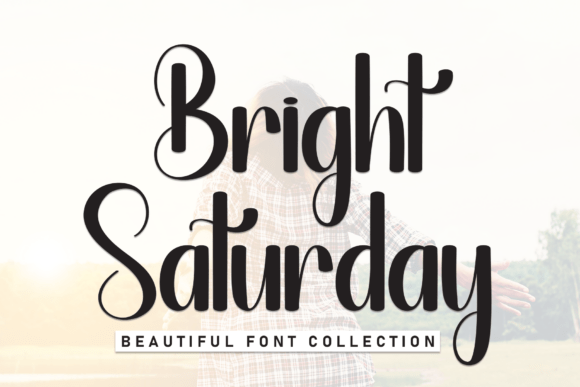
At its core, Bright Saturday is a study in fluid motion. Its letters connect with a graceful, almost calligraphic rhythm, yet they maintain a legibility that’s essential for practical use. The strokes vary in weight, mimicking the subtle pressure changes of a real pen on paper, which gives it an authentic, handcrafted feel. This isn’t a stiff, formal script; it’s a creative font with a personality that’s both sophisticated and playfully inviting. The overall texture is smooth, with just enough detail to catch the eye without overwhelming it.
This particular typeface avoids the extremes that can make script fonts tricky. It’s not overly ornate, which can hinder readability at small sizes, nor is it so casual that it feels unfinished. Instead, it occupies a sweet spot, making it a versatile display font that can anchor a design while injecting it with a distinct mood. The slight imperfections and the natural flow are its strengths, creating a sense of authenticity that polished, digital-only fonts often lack.
Where This Handwritten Style Truly Shines
Understanding a font’s personality is one thing; knowing where to apply it is where strategy meets creativity. Bright Saturday excels in contexts where connection and emotion are paramount. It’s a natural fit for projects in the lifestyle, wedding, beauty, artisan food, and boutique retail spaces. Think of it as the typographic equivalent of a firm, friendly handshake.
In brand identity work, it can be a game-changer for a small business owner or entrepreneur. Used for a logo design, it immediately signals that the brand is personal, detail-oriented, and values craftsmanship. It pairs beautifully with a clean sans serif font for body text, creating a harmonious font pairing that’s both professional and full of character. For a blogger or content creator, using Bright Saturday for chapter titles or pull quotes in an eBook can elevate the reading experience, making the publication feel more curated and valuable.
The applications extend far beyond logos and books. Consider its power in packaging design for a specialty product line; the script can convey the care and quality inside the box. For social media graphics, it cuts through the noise, adding a personal touch to announcements, quotes, or promotional posts that feels more authentic than standard system fonts. In web design, it can be used sparingly for key headlines or call-to-action phrases to guide the visitor’s eye and inject personality into an otherwise minimal layout.
Practical Guidance for Implementation
Choosing a premium font like this is an investment, so a strategic approach is key. First, always test the font in the context of your specific project. Does its personality align with your brand’s voice? A whimsical, artisanal brand is a perfect match, but it might feel out of place for a corporate law firm.
Next, rigorously evaluate readability. While Bright Saturday is designed for clarity, its effectiveness depends on size and contrast. It’s generally best suited for short lines of text—headlines, subheads, logos, and captions. Setting a full paragraph in a flowing script is rarely a good idea for body copy. Always print a test page or view it on multiple screens to ensure the letterforms remain distinct and easy to read at your intended size.
Don’t overlook the technical details. A well-crafted commercial font often includes multiple styles—perhaps a regular weight, a bold, or alternate character sets. Explore the full package. These extras, like ligatures or stylistic sets, can provide valuable design assets for creating unique typographic compositions. Finally, review the licensing carefully to ensure it covers all your intended uses, whether for a client’s logo, merchandise, or a digital product.
Creating Cohesion and Emotional Impact
The true power of a typeface like Bright Saturday lies in its ability to influence perception. Consistency is the bedrock of professional design. By using it consistently across your touchpoints—from your website header to your email signature to your product tags—you build a cohesive visual language. This repetition doesn’t just look polished; it builds recognition and trust with your audience.
Emotionally, this modern typography choice communicates specific values. The elegance suggests quality and attention to detail, while the handwritten quality adds approachability and warmth. This combination can make a brand feel both premium and relatable. It tells a story of human creation behind the digital interface, which is a powerful differentiator in a crowded marketplace. For a marketer or publisher, this emotional resonance can be the key to deeper audience engagement.
When integrating it into a larger typographic system, think about hierarchy. Use Bright Saturday for moments of emphasis. Pair it with a sturdy serif font for traditional elegance or a geometric sans serif for a contemporary edge. The goal is to create a visual conversation where the script font acts as the expressive, conversational voice, supported by more neutral, functional typefaces. This balance ensures your design remains professional and legible while still bursting with personality.