Jesus Font: A Whimsical Handwritten Script for Creative Projects
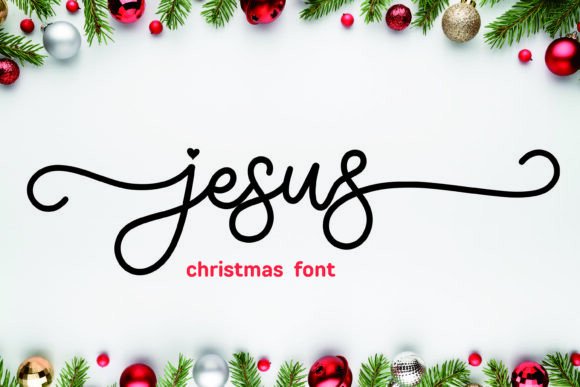
Finding a typeface that captures genuine warmth and personality without sacrificing clarity can feel like a search for a needle in a haystack. Many script fonts lean too heavily into formal calligraphy, while others become so casual they lose structure. The Jesus font, however, occupies a distinct space in modern typography. It is a premium font designed with a whimsical, monoline style that evokes the feeling of a carefully hand-lettered note. Unlike rigid geometric typefaces, this design features a charming irregularity that breathes life into digital layouts.
The defining characteristic of this typeface lies in its expressive swashes. Every character, whether uppercase or lowercase, features delightful tails at the beginning and end of the strokes. These extensions give the font a continuous, fluid motion that draws the eye across the page. Because it is a monoline design, the stroke width remains consistent, which aids in readability even with its decorative nature. It avoids the overly thick and thin transitions found in traditional copperplate scripts, making it a versatile choice for a wide array of applications where a modern typography aesthetic is desired.
Visual Characteristics and Versatility
When evaluating a creative font, the details matter. The Jesus typeface strikes a balance between playfulness and legibility. The letterforms are open and round, ensuring that words remain readable even when viewed at a distance or on smaller screens. This makes it an excellent candidate for display font usage, such as headers, hero sections, and feature titles. It works exceptionally well for seasonal campaigns, particularly Christmas, New Year, Easter, and Thanksgiving, where a cozy, inviting atmosphere is paramount.
For designers working on physical products, this font shines in SVG crafts and Cricut designs. The smooth curves and lack of sharp, intricate details make it easy for cutting machines to trace and render. Whether you are creating custom mugs, tote bags, or greeting cards, the Jesus font translates beautifully from screen to physical material. It serves as a fantastic asset for small business owners looking to add a personal touch to their packaging design without hiring a professional calligrapher for every product run.
Strategic Applications in Branding and Marketing
Choosing a typeface is a strategic decision that influences brand perception. Using the Jesus font signals approachability and creativity. It is particularly effective for entrepreneurs and bloggers who want to establish a brand identity that feels human and relatable. In the crowded landscape of social media graphics, a distinctive handwritten font can stop the scroll. It works well for Instagram quotes, Pinterest pins, and Facebook headers where emotional connection drives engagement.
However, context is key. While this script font is perfect for creating a focal point, it should not be used for long blocks of body copy. A sans serif font or a clean serif font is better suited for paragraphs to ensure maximum readability. The strength of Jesus lies in its ability to complement these simpler typefaces. By using it for subheadings or call-to-action buttons, you can create a strong visual hierarchy that guides the reader’s eye naturally through your layout.
Practical Font Pairing Strategies
Successful font pairing relies on contrast. Because the Jesus font has a strong personality and decorative swashes, it pairs best with neutral, geometric sans serif fonts. A clean, modern sans serif acts as a grounding element, allowing the whimsical nature of the script to stand out without overwhelming the design. Alternatively, pairing it with a robust slab serif can create a vintage-inspired look suitable for editorial design or book covers.
When testing pairings, pay attention to x-height and weight. You want the secondary typeface to support the header, not compete with it. For example, if you are designing a menu for a bakery or a holiday brochure, use Jesus for the main headers and a light-weight sans serif for the descriptions. This combination maintains the cozy, festive vibe while ensuring the necessary information is easy to digest.
Technical Considerations and Licensing
Before integrating any design asset into a commercial project, it is vital to review the technical specifications and licensing terms. The Jesus font typically comes with a standard commercial license, allowing you to use it for client work, merchandise, and digital products. However, always verify the specific terms provided by the creator to ensure your usage aligns with the agreement.
From a technical standpoint, check the file formats included. A high-quality font package should include .OTF or .TTF files for desktop installation, and potentially .WOFF files for web design. If you plan to use the font on a website, ensure it is optimized for web performance to prevent slow loading times. Additionally, review the character map. A comprehensive font will include a full set of punctuation, numerals, and multilingual support, ensuring you have the flexibility to communicate your message accurately.
Evaluating Project Fit
Not every project requires a whimsical handwritten font. If your brand identity is built on corporate austerity, high-tech precision, or severe minimalism, the Jesus font might feel out of place. It is best suited for industries and niches that value warmth, such as hospitality, food and beverage, lifestyle blogging, wedding planning, and artisanal crafts.
Before finalizing your choice, mock up the design. Place the font into your actual layout alongside your images and color palette. Does it enhance the message, or does it distract? The goal is to use typography to reinforce the content. For holiday-themed projects, such as Thanksgiving invitations or Christmas sales flyers, the Jesus font often provides the exact emotional resonance needed to connect with the audience. It brings a sense of joy and celebration that more sterile typefaces cannot replicate.
Ultimately, the Jesus font is a tool for expression. It allows designers, marketers, and hobbyists to inject personality into their work effortlessly. By understanding its strengths—its monoline structure, decorative swashes, and seasonal appeal—you can deploy it effectively to create memorable designs that resonate with your audience. Whether you are crafting a logo, designing a wedding invitation, or creating a social media campaign, this typeface offers a unique blend of charm and utility that stands out in the world of modern typography.