Cinemont Signature: A Smooth Handwritten Script
There’s a particular quality in design that feels both effortless and intentional. It’s the difference between a generic template and a brand that feels like it has a story. This is the space where Cinemont Signature operates. It’s a premium font that doesn’t just fill space; it creates an atmosphere. Imagine the confident, flowing signature of a film director on a storyboard or the personal note scrawled on a photographer’s contact sheet. That’s the essence of this typeface—it carries a cinematic flair and an intimate, human touch that digital precision often lacks.
The Anatomy of a Typeface with Character
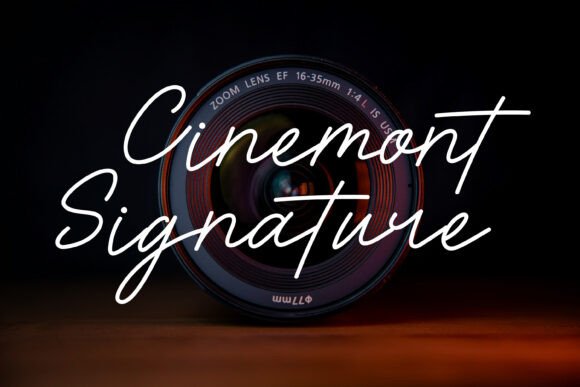
At its core, Cinemont Signature is a script font with a distinctly modern, handwritten personality. Its letterforms are smooth and fluid, with a natural, slightly varied baseline that mimics the organic rhythm of real handwriting. This isn’t a rigid, formal calligraphy; it’s relaxed and confident. The connections between letters are thoughtfully crafted, ensuring legibility while maintaining that authentic, flowing aesthetic. You’ll notice subtle details—a slightly heavier downstroke here, a graceful swash there—that give it depth and prevent it from feeling flat or overly digital. It’s a creative font designed to feel personal, making it an excellent tool for adding warmth and approachability to any project.
This typeface works best where you want to evoke emotion and connection. Think of it as the visual equivalent of a warm, inviting tone of voice. It’s perfect for projects where the audience is meant to feel a direct link to a creator or a brand’s story. For logo design, it can instantly establish a personal, boutique feel for photographers, artists, or consultants. In packaging design, especially for artisanal goods like coffee, cosmetics, or gourmet foods, it adds that handcrafted, premium touch. For editorial design, it can be used for impactful pull quotes or chapter titles in a book, adding a layer of intimacy to the reading experience.
Strategic Applications: Where and How to Use It
Understanding where a font like Cinemont Signature shines is key to using it effectively. Its strength lies in display and titling contexts rather than long-form body copy. Here’s a practical breakdown:
- Brand Identity & Logo Design: This is a prime application. If your brand is built around a personality—whether it’s a creative studio, a lifestyle blog, a boutique consultancy, or a personal brand—this script font can become the cornerstone of your visual identity. It pairs exceptionally well with a clean sans serif font for body text, creating a beautiful contrast between expressive flair and functional clarity.
- Web & Digital Presence: Use it for hero sections, website headers, and impactful call-to-action phrases. It’s also fantastic for social media graphics, especially Instagram quotes, story highlights, and YouTube thumbnails where grabbing attention quickly is paramount. Its cinematic style can elevate a video title sequence or a podcast cover.
- Print & Packaging: For packaging design, it’s a game-changer. Imagine it on a coffee bag label, a wine bottle, or a boutique candle. It communicates quality and care. In print, it’s ideal for wedding invitations, event posters, magazine mastheads, and book covers where a touch of elegance and personality is desired.
- Marketing & Content: In email headers, presentation title slides, or promotional flyers, Cinemont Signature can break the monotony of standard corporate fonts. It helps your message feel more human and less automated, which can significantly boost audience engagement.
Practical Guidance for Designers and Creators
Choosing a font is a strategic decision. Here’s how to evaluate if Cinemont Signature is the right design asset for your project.
First, consider the project’s voice. Is it meant to be personal, creative, and a bit nostalgic? If so, it’s a strong candidate. If the project demands ultra-modern, geometric, or highly technical aesthetics, you might need to look elsewhere. Always test it in context. Mock up your logo, create a sample social media post, or place it on a packaging template. See how it feels alongside your imagery and color palette.
Next, think about font pairing. A font like this is a star player, but it needs a supporting cast. It typically pairs best with a neutral, highly readable sans serif font or a simple, sturdy serif font. The contrast ensures that the expressive script doesn’t overwhelm the design and that body text remains legible. Avoid pairing it with other ornate or overly decorative fonts, as this can create visual chaos.
Also, review the included character set and styles. A quality premium font like this often includes alternates, ligatures, and stylistic sets. These features are not just extras; they are tools for customization. Using alternate swashes or connecting letters differently can make your text look even more unique and tailored to your specific design, preventing that “out-of-the-box” feel.
Finally, consider the practicalities of readability and licensing. For web design, ensure the font renders clearly at the sizes you intend to use it, especially on mobile devices. For commercial projects, verify that the license covers your intended use—whether it’s for a client’s logo, merchandise, or digital products. Using a commercial font with a clear license is part of professional practice and protects your work.
In the end, Cinemont Signature is more than just a handwritten font; it’s a tool for storytelling. It helps bridge the gap between a brand and its audience by adding a layer of human authenticity that resonates on a personal level. Used thoughtfully, it can transform a standard design into something memorable, intimate, and unmistakably stylish.